Winter Is the Highest Risk Season for Senior Falls. Here’s How to Prevent Them.
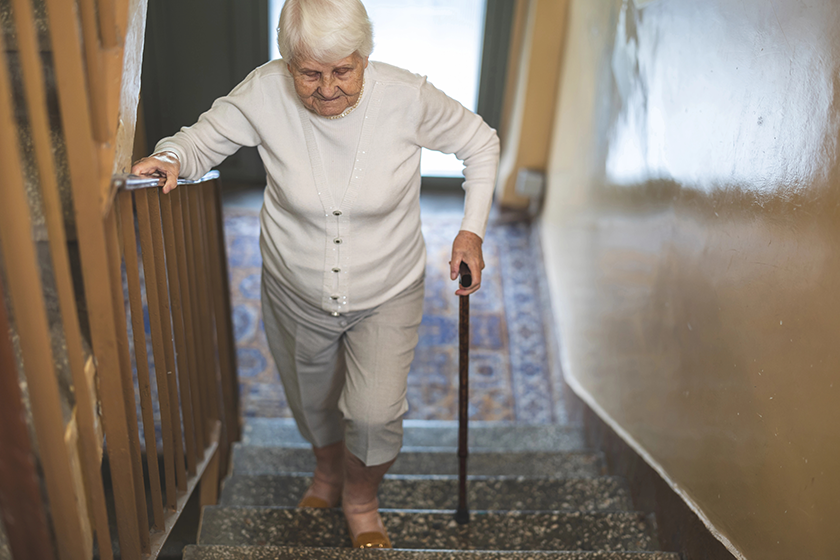
Winter brings colder temperatures, shorter daylight hours, and subtle changes that significantly increase fall risk for older adults. While many families assume falls happen outdoors on ice or snow, the reality is far more concerning. Most senior falls happen inside the home, where familiar spaces quietly become hazardous.
As we age, balance, vision, and reaction time naturally decline. Cold weather stiffens joints and muscles, making it harder to recover from a misstep. Combine that with poor lighting, cluttered walkways, and slippery bathroom surfaces, and the risk multiplies quickly.
Why Winter Increases Fall Risk
Cold temperatures reduce flexibility and increase joint stiffness, especially for seniors with arthritis or mobility challenges. Reaction time slows, making it harder to catch oneself after a stumble. Vision is also affected, particularly when transitioning between rooms with poor lighting.
Medication side effects can worsen during winter months as hydration levels drop and routines change. Dizziness, fatigue, and lightheadedness are often dismissed as “normal aging,” but they significantly raise fall risk.
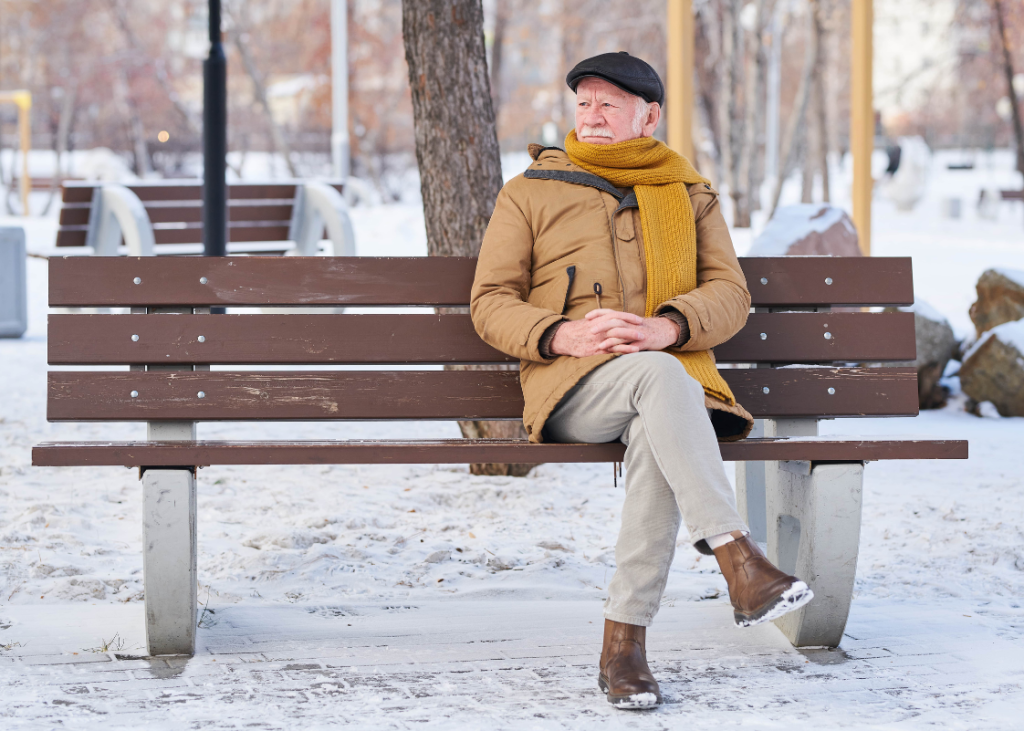
The Most Common Indoor Fall Hazards
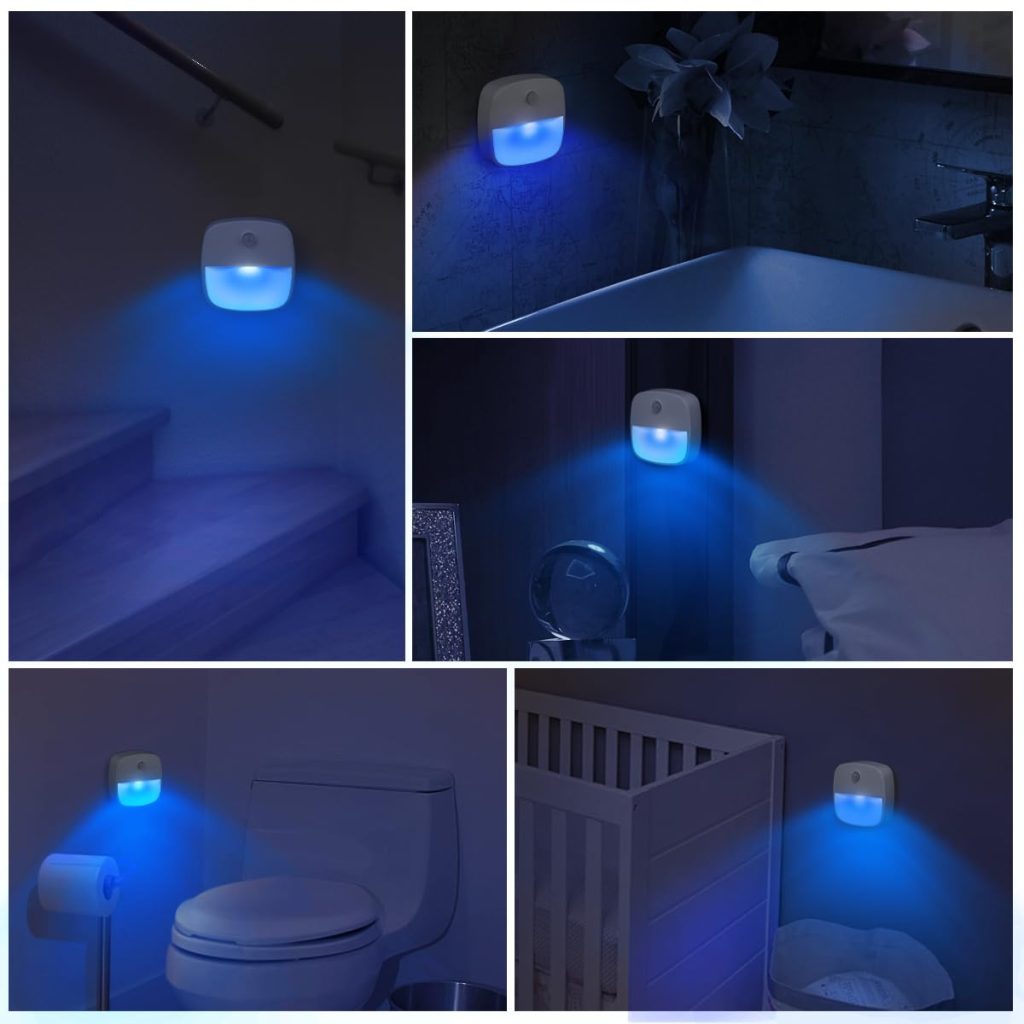
Poor lighting is one of the biggest contributors. Hallways, bedrooms, and bathrooms often lack adequate illumination, especially at night. Shadows make it difficult to judge depth and see obstacles.
Loose rugs and mats are another major culprit. Even rugs with non-slip backing can shift or curl, catching a foot or walker.
Bathrooms pose the highest risk due to slick tile, wet surfaces, and limited support. A rushed trip to the bathroom during a cold night increases the likelihood of a serious fall.
Clutter also increases in winter. Blankets, space heaters, cords, and seasonal items often end up in walking paths, turning familiar spaces into obstacle courses.
Simple Steps That Prevent Life-Changing Injuries
Installing night lights in hallways and bathrooms dramatically reduces nighttime falls. Securing or removing rugs eliminates one of the most common tripping hazards. Adding grab bars in bathrooms provides critical stability.
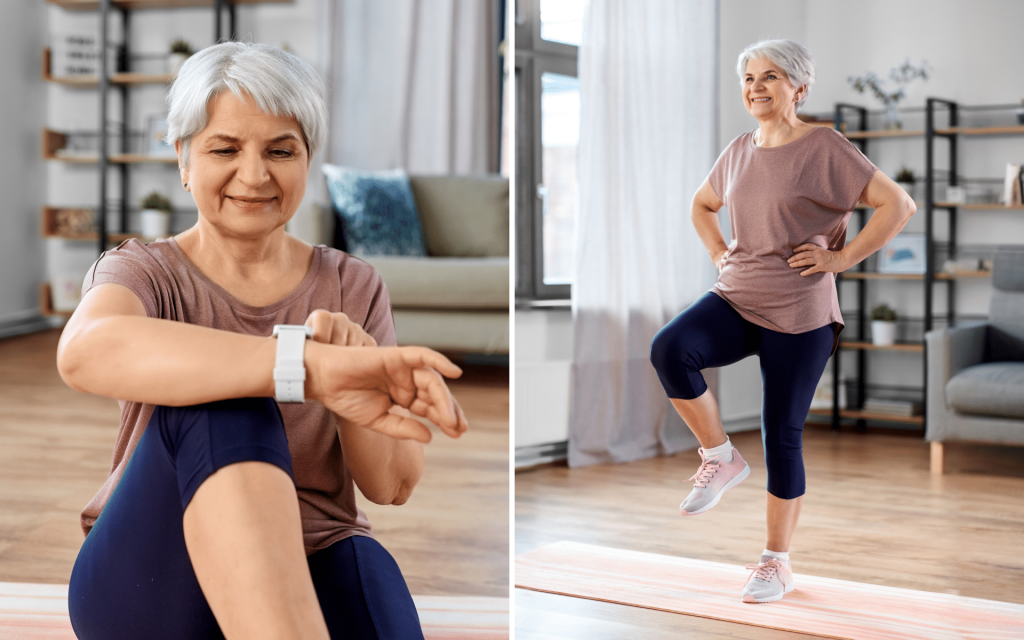
Daily movement is equally important. Gentle stretching and short walks help maintain flexibility and balance, even in colder months.
When Extra Support Is Needed
If a loved one has already experienced a fall, struggles with balance, or feels unsteady, additional support can prevent a serious injury. A home safety assessment and consistent assistance can make all the difference.
💙 If you want help keeping your loved one safe this winter, fill out the form below or call 850-250-5250.