Falls Rarely Happen Out of Nowhere – Warning Signs Families Miss
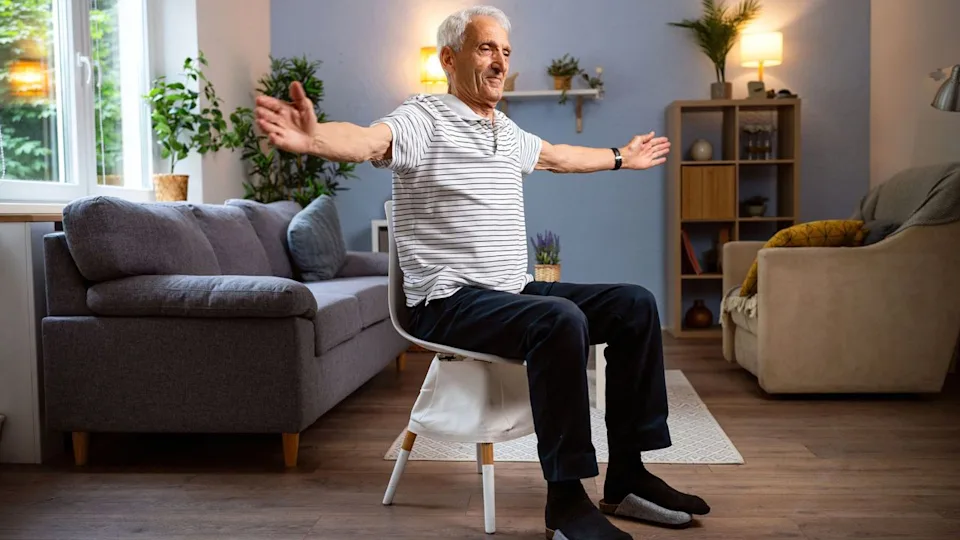
When a senior falls, families often say the same thing.
“It happened out of nowhere.”
But falls almost never come without warning.
Most falls are the result of small changes that build over time. Slower walking. Hesitation when standing up. Forgetting to turn on lights at night.
These shifts are easy to dismiss as normal aging. But they are often early signals that safety is changing.
Recognizing those signs early can prevent injuries, hospital stays, and long recovery periods.
The Most Dangerous Room in the House
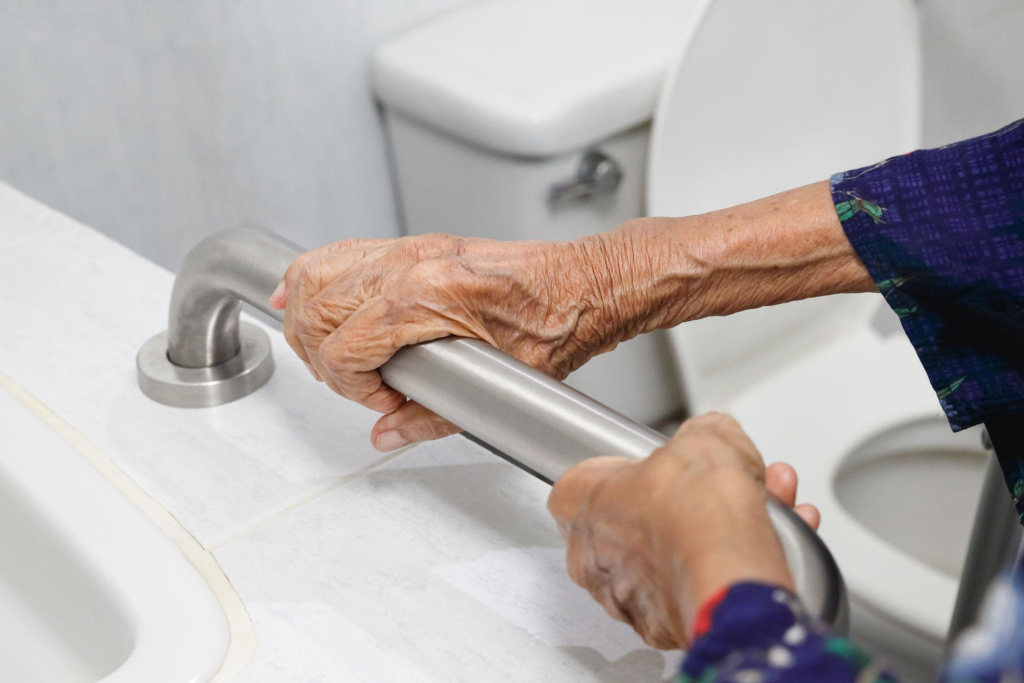
For many older adults, the bathroom is the most dangerous room in the home.
Bathrooms combine several fall risks in one space.
• Hard tile floors
• Water and slippery surfaces
• Tight spaces to move around
• Low toilets and tubs that require strength
Nighttime makes the risk even higher.
Many falls happen when someone wakes up and walks to the bathroom while half asleep. Lighting is low, balance may be off, and medications can affect alertness.
Simple safety changes can dramatically reduce risk.
• Grab bars
• Non slip bath mats
• Better nighttime lighting
• Raised toilet seats
But families often don’t think about these upgrades until after a fall occurs.
The Subtle Signs Before a Fall
Falls rarely begin with a sudden collapse.
They usually begin with small mobility changes.
Watch for warning signs like:
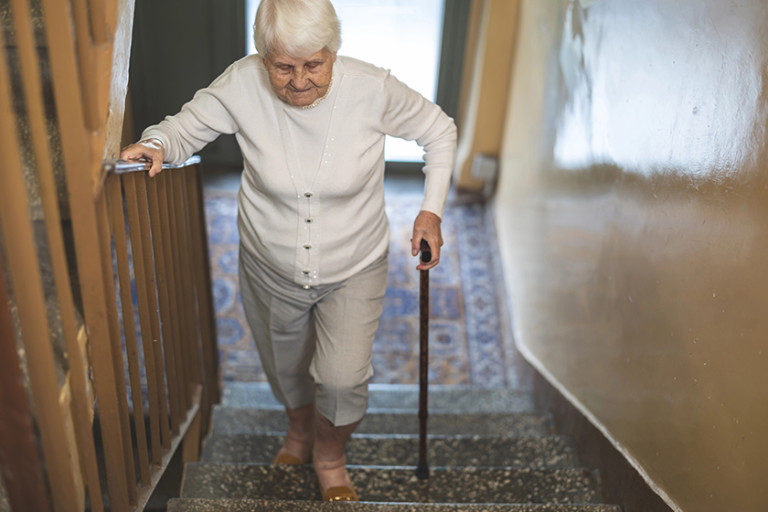
• Holding onto furniture while walking
• Moving slower than usual
• Hesitating before standing up
• Struggling to get out of chairs or beds
• Complaining about dizziness or feeling unsteady
These signs may seem minor, but when they appear consistently they often signal declining balance or strength.
Another overlooked warning sign is reduced activity.
If a senior suddenly stops cooking, walking outside, or doing normal daily routines, it may be because they are worried about falling.
When activity decreases, muscles weaken, which increases fall risk even more.
When Memory and Judgment Affect Safety
Falls are not only physical. Cognitive changes can also increase risk.
Memory or judgment changes may cause someone to:
• Forget to turn on lights when walking at night
• Carry items while walking without holding onto support
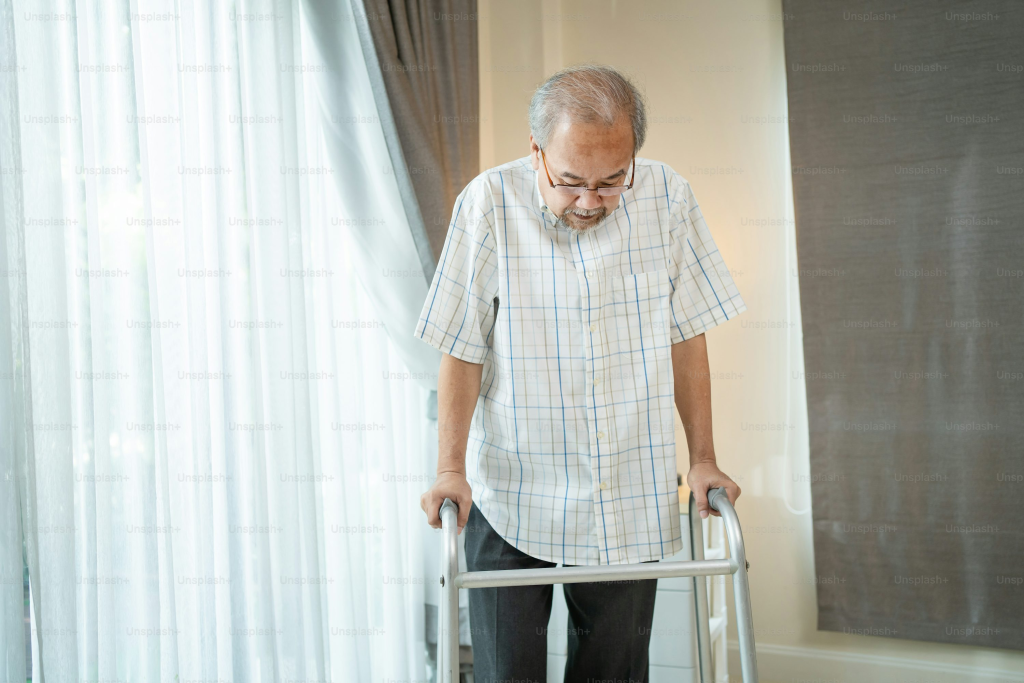
• Ignore walkers or canes they should be using
• Forget their physical limitations
Early dementia can also affect spatial awareness and decision making.
Someone may misjudge a step, miss a chair when sitting, or move too quickly without realizing the risk.
These changes are subtle, but they can make everyday activities more dangerous.
The Question Families Ask Before It’s Too Late
After a fall happens, families often ask the same question.
“Were there signs we missed?”
In many cases, the answer is yes.
A slower walk.
More hesitation.
More fatigue.
More forgetfulness.
Because these changes happen gradually, they often blend into everyday life.
But noticing these early signs allows families to make safety adjustments before a serious injury occurs.
Prevention is always easier than recovery.

Falls are one of the most common causes of injury among older adults, but they are rarely random.
They are often the result of small risks building over time.
Recognizing those risks early allows families to improve safety while protecting independence.
Pay attention to subtle changes. They are often the body’s first warning signs.
Early planning helps families stay ahead of risk and keep loved ones safe at home.
If you’re in Bay County and noticing changes, contact us before something happens.