The Five Most Important Vital Signs Families Should Track for Senior Safety

Why Vitals Matter More Than Symptoms
Symptoms appear after problems escalate. Vital signs reveal issues early.
For seniors, waiting for obvious symptoms often means waiting too long. Subtle changes in vital signs frequently signal decline before a crisis occurs.
Tracking vitals is not medical overreach. It is preventative care.
Blood Pressure
Blood pressure fluctuations are one of the most common and overlooked senior risks.
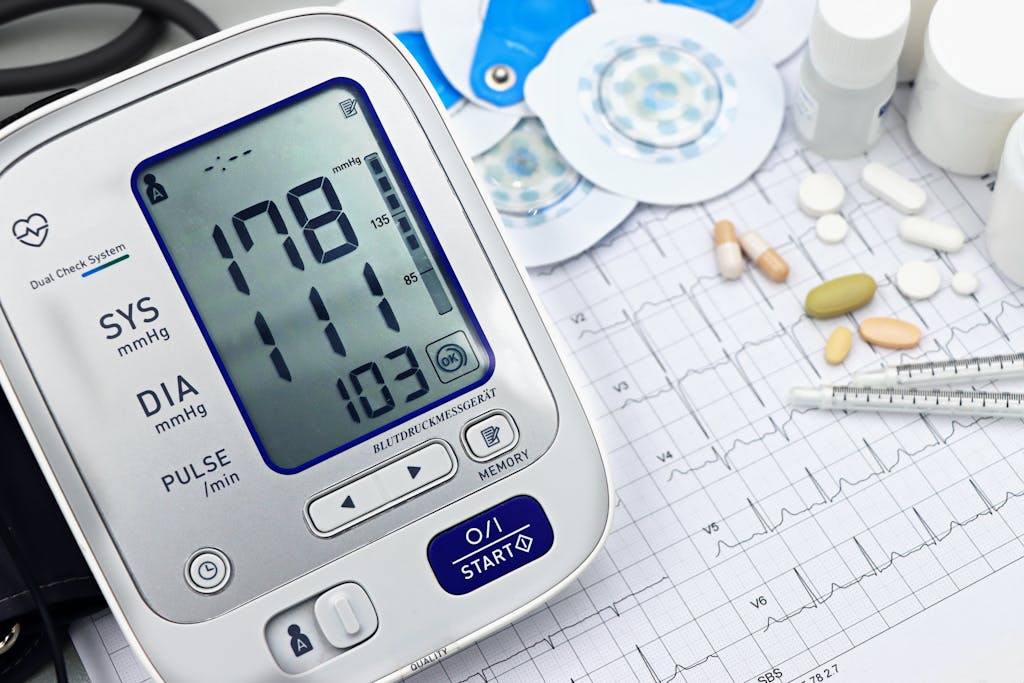
Low blood pressure increases fall risk. High blood pressure strains the heart and increases stroke risk.
Sudden changes matter more than single readings.
Consistent tracking reveals trends families cannot see otherwise.
Heart Rate
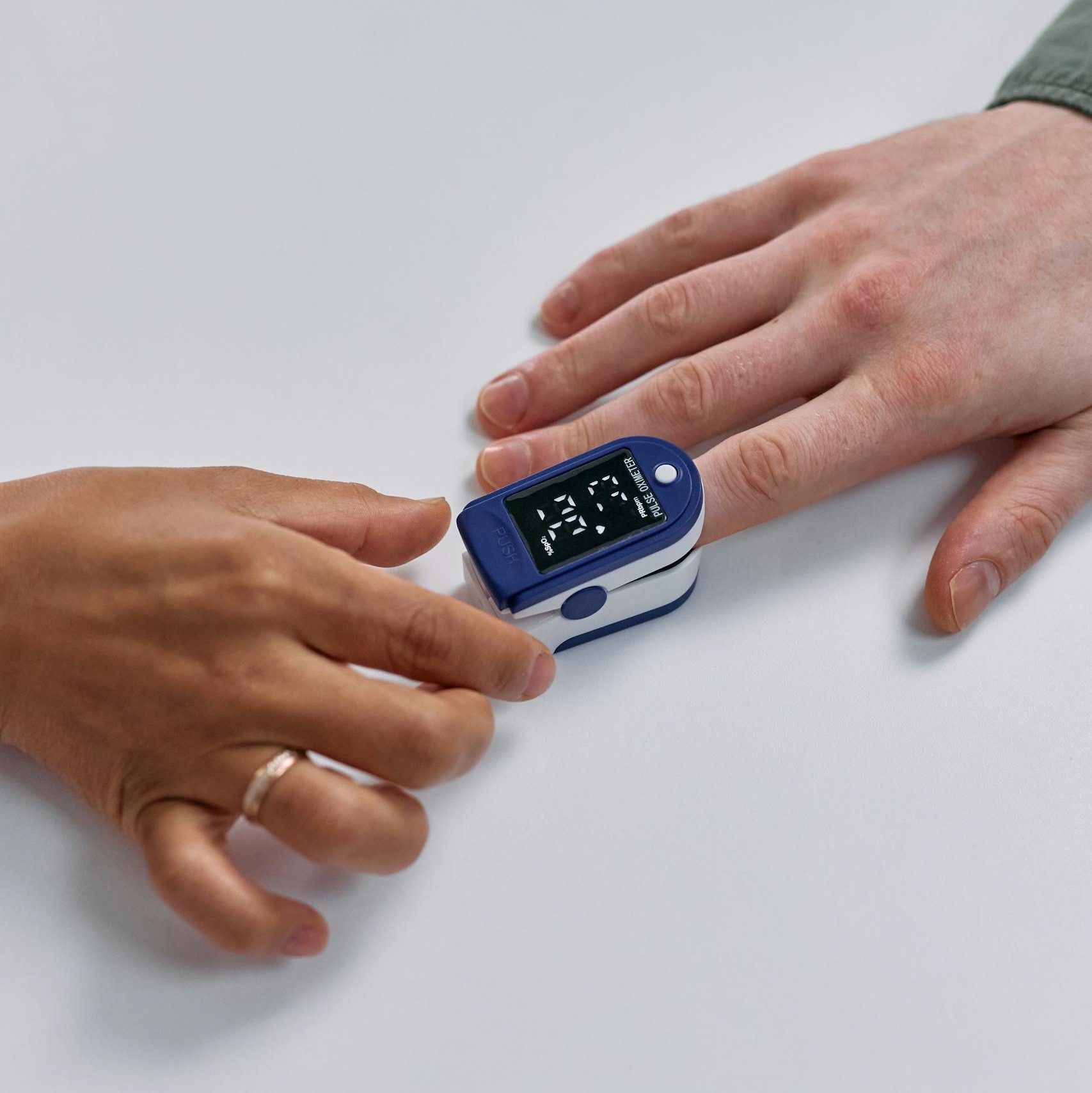
An irregular or elevated heart rate may indicate dehydration, infection, anxiety, or heart conditions.
Changes in resting heart rate often appear before visible symptoms.
A lot of times, blood pressure monitors will also have a heart rate monitor on the machine as well. Use this to your advantage and keep track of you or your loved ones vitals.
Oxygen Saturation
Low oxygen levels contribute to confusion, fatigue, and shortness of breath.
Seniors may not report breathing issues until levels drop dangerously low.
Daily Weight for Heart Conditions
Rapid weight gain often signals fluid retention related to heart failure.
Daily weight monitoring allows early intervention before hospitalization becomes necessary.

Temperature Fluctuations
Even mild temperature changes can indicate infection in seniors.
Older adults often do not develop high fevers, making small changes significant.
When to Call a Doctor
Call a provider when trends change, not just when symptoms appear.
Sudden confusion, persistent abnormal readings, or combined changes require immediate attention.
Proactive Monitoring Prevents Crisis
Tracking vitals is not about fear. It is about control, clarity, and prevention.
Caregivers provide daily oversight that keeps families informed and seniors safe.
Vital signs tell the story before symptoms appear. Knowing what to track can prevent emergencies.
Our caregivers help families track and understand vitals every day.