The Hidden Home Hazards That Cause Most Senior Falls (And Why Families Miss Them)
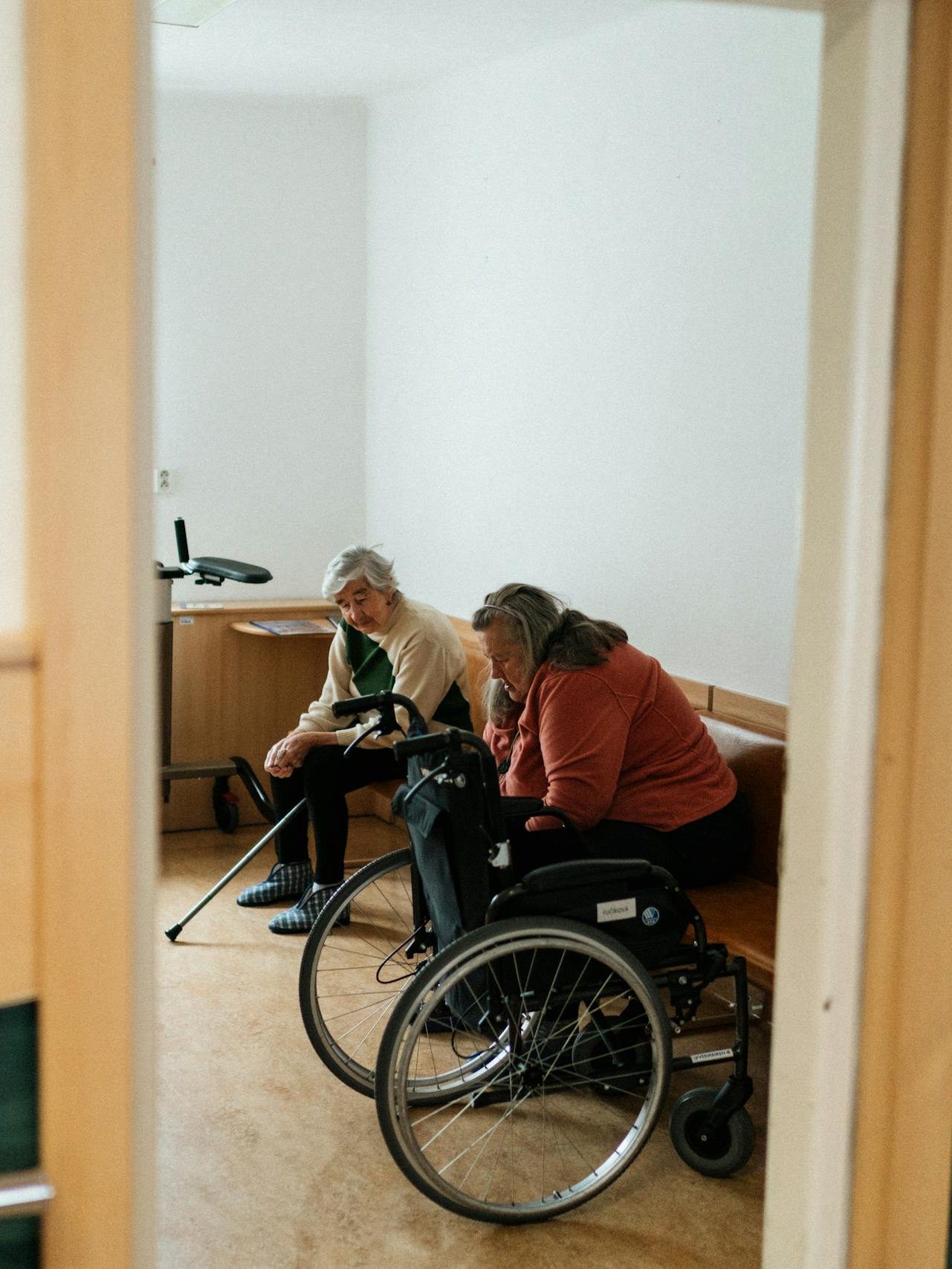
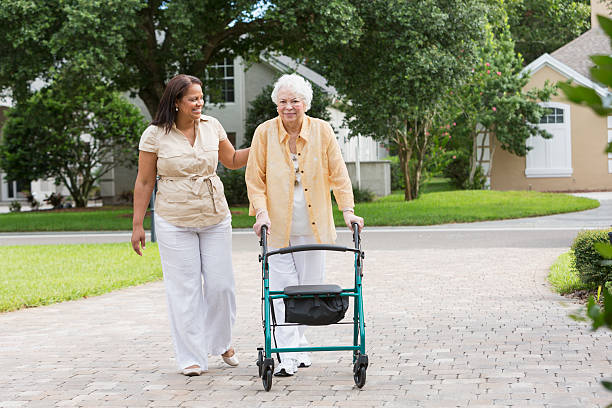
Most senior falls are not caused by recklessness or poor judgment. They are caused by environments that no longer match a person’s physical abilities. What makes falls especially dangerous is that the risks are often hidden in plain sight.
Families frequently assume that if a loved one has lived in the same home for years, it must still be safe. The reality is that aging changes how the body interacts with the environment. Vision shifts, balance becomes less reliable, reaction time slows, and even familiar spaces can quietly become dangerous.
Understanding these hidden hazards is one of the most effective ways to prevent life changing injuries and reduce stress for both seniors and caregivers.
Why Familiar Homes Become Risky Over Time
Aging does not happen all at once. Changes are gradual, which makes it easy for families to overlook them. Seniors adapt without realizing it. They walk slower. They shuffle instead of lifting their feet. They avoid certain rooms. These adjustments mask underlying risk until a fall happens.
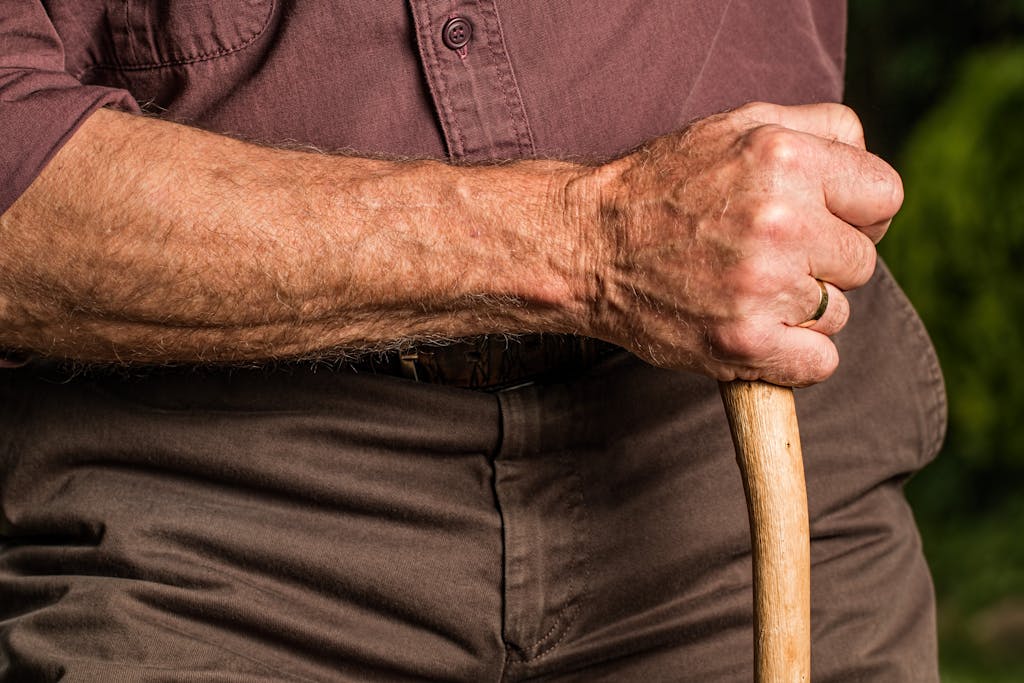
Cold weather and winter routines amplify these issues. Seniors spend more time indoors, joints stiffen, and lighting conditions worsen. The home that once felt comfortable can quickly become a high risk environment without obvious warning signs.
Lighting Is One of the Most Overlooked Hazards
Vision changes with age reduce contrast sensitivity and depth perception. Shadows become confusing. Transitions between rooms become harder to navigate. Poor lighting is especially dangerous at night when seniors wake up to use the bathroom or move through the house while still groggy.
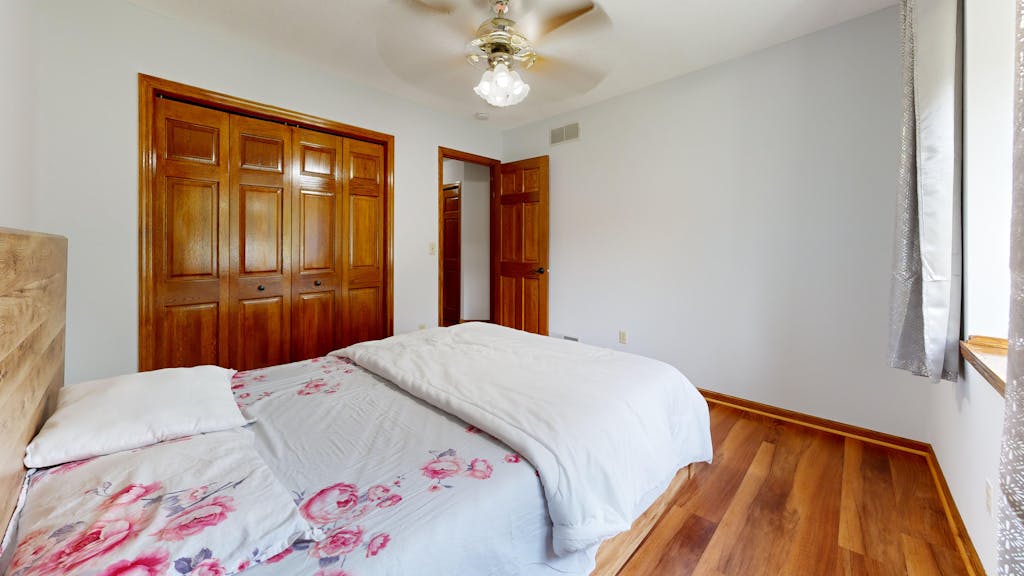
Hallways, stairways, bedrooms, and bathrooms are common problem areas. A single dark corner or poorly placed lamp can lead to a serious fall. The issue is rarely total darkness. It is uneven lighting that creates shadows and false depth cues.
Improving lighting is one of the simplest and most effective fall prevention steps families can take.
Bathrooms Are High Risk Zones
Bathrooms combine several dangerous factors into a small space. Hard surfaces, slick floors, moisture, and limited space to recover balance make falls more severe when they occur.
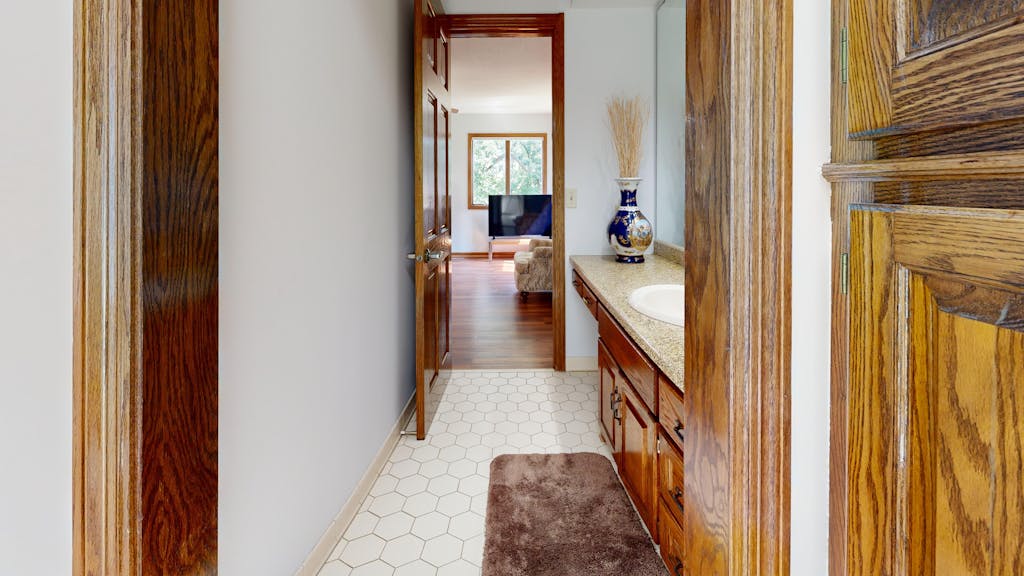
Winter increases bathroom risk due to hot showers that create condensation and slick tile surfaces. Seniors may rush due to feeling cold, which reduces stability. Lack of grab bars, non slip mats, or proper seating turns everyday hygiene into a fall risk.
Most serious injuries occur in bathrooms because the body has fewer ways to protect itself during a fall. Addressing bathroom safety is not optional. It is essential.
Rugs, Flooring, and Footwear Matter More Than Families Realize
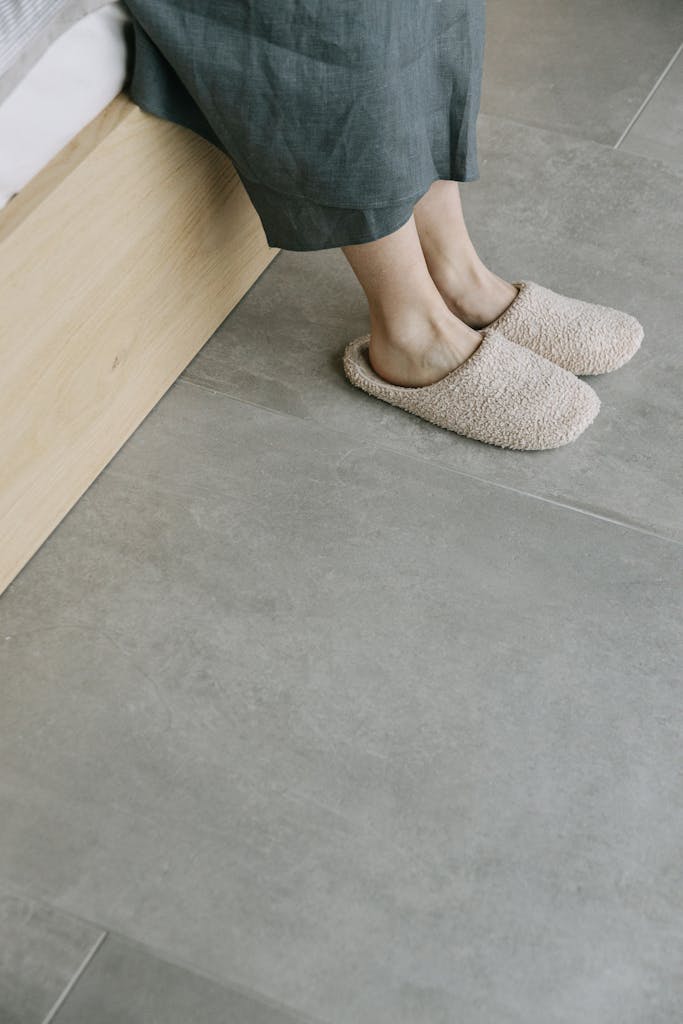
Throw rugs and small mats are a leading cause of in home falls. Even rugs with rubber backing can slide or curl over time. Seniors often shuffle their feet rather than lifting them fully, which makes catching a rug edge more likely.
Footwear plays a major role as well. Slippery socks, worn shoes, or poorly fitted footwear reduce traction and stability. During winter months, seniors may wear thicker socks or indoor shoes that increase slipping risk.
Flooring should support movement, not challenge it. Simple adjustments dramatically lower fall risk.
Clutter Turns Safe Spaces Into Hazard Zones
Winter brings additional clutter into homes. Blankets, space heaters, cords, shoes, and seasonal items often end up in walking paths. Seniors may not see these items as obstacles until it is too late.
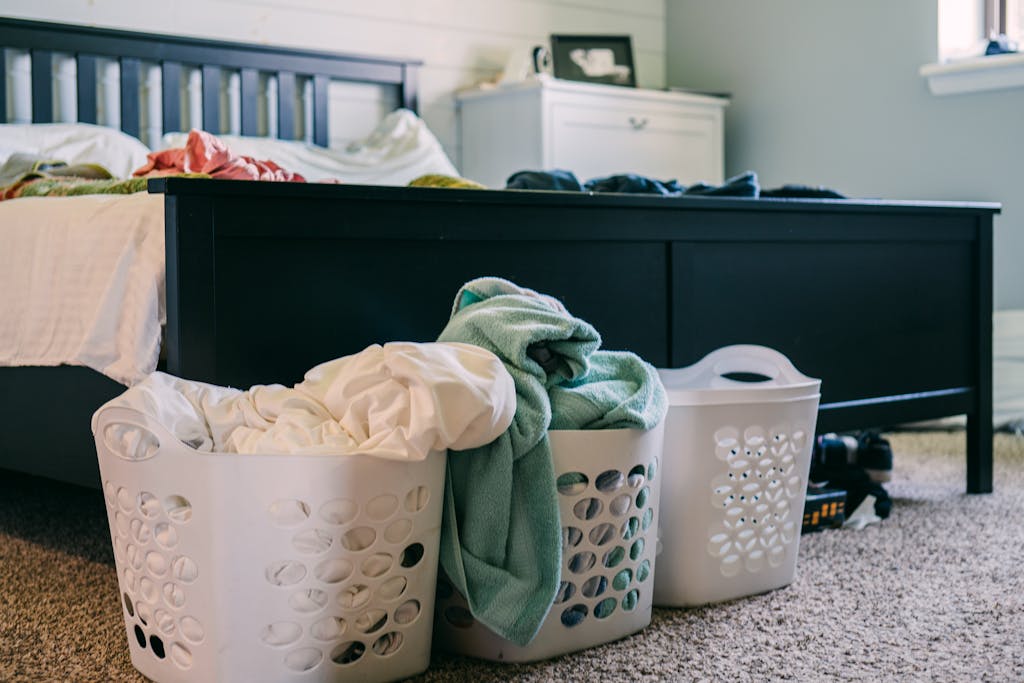
Clutter also increases mental load. Seniors may hesitate, overthink steps, or rush through tight spaces. All of these behaviors increase fall risk.
Clear walkways create both physical safety and mental confidence.
Cold Weather Changes How the Body Responds
Cold temperatures stiffen muscles and joints, especially for seniors with arthritis or chronic pain. Reaction time slows. Balance corrections take longer. When a misstep happens, the body is less able to recover.
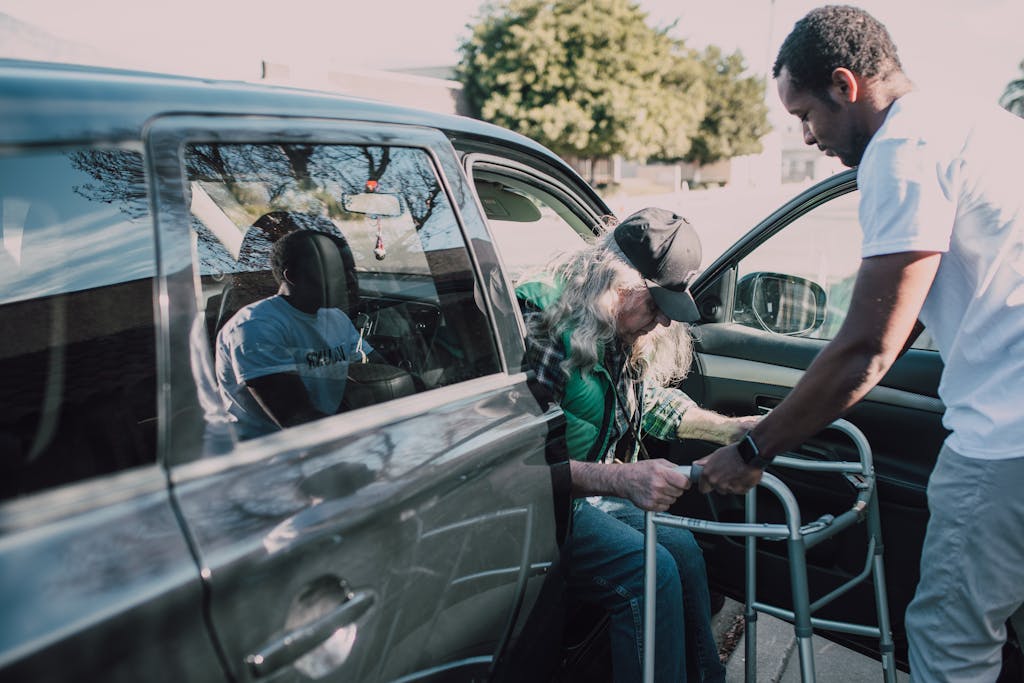
This is why falls are not caused by clumsiness. They happen because the body cannot respond fast enough to environmental challenges.
Understanding this helps families move away from blame and toward prevention.
Prevention Starts With Awareness, Not Fear
Falls are not inevitable. They are predictable. When families understand how aging changes mobility and perception, they can adjust the environment accordingly.
Small changes make a meaningful difference. Improved lighting. Clear pathways. Safer bathrooms. Better routines. These adjustments reduce falls, hospital visits, and caregiver stress.
Professional caregivers are trained to notice risks families often miss because they see patterns across many homes and situations.
When Extra Support Makes Sense
If a loved one has already experienced a fall, shows hesitation while walking, or avoids certain activities, it may be time to bring in support. In home care is not about taking independence away. It is about protecting it.
A safer home allows seniors to move confidently and caregivers to worry less.
💙 If you are unsure whether your loved one’s home is as safe as it should be, Bay County Caregivers can help. Fill out the form below or call 850 250 5250 to learn more about how we support families and prevent avoidable injuries.