The Hidden Health Risks of Loneliness in Seniors—And How to Fix It Fast
More Dangerous Than You Think
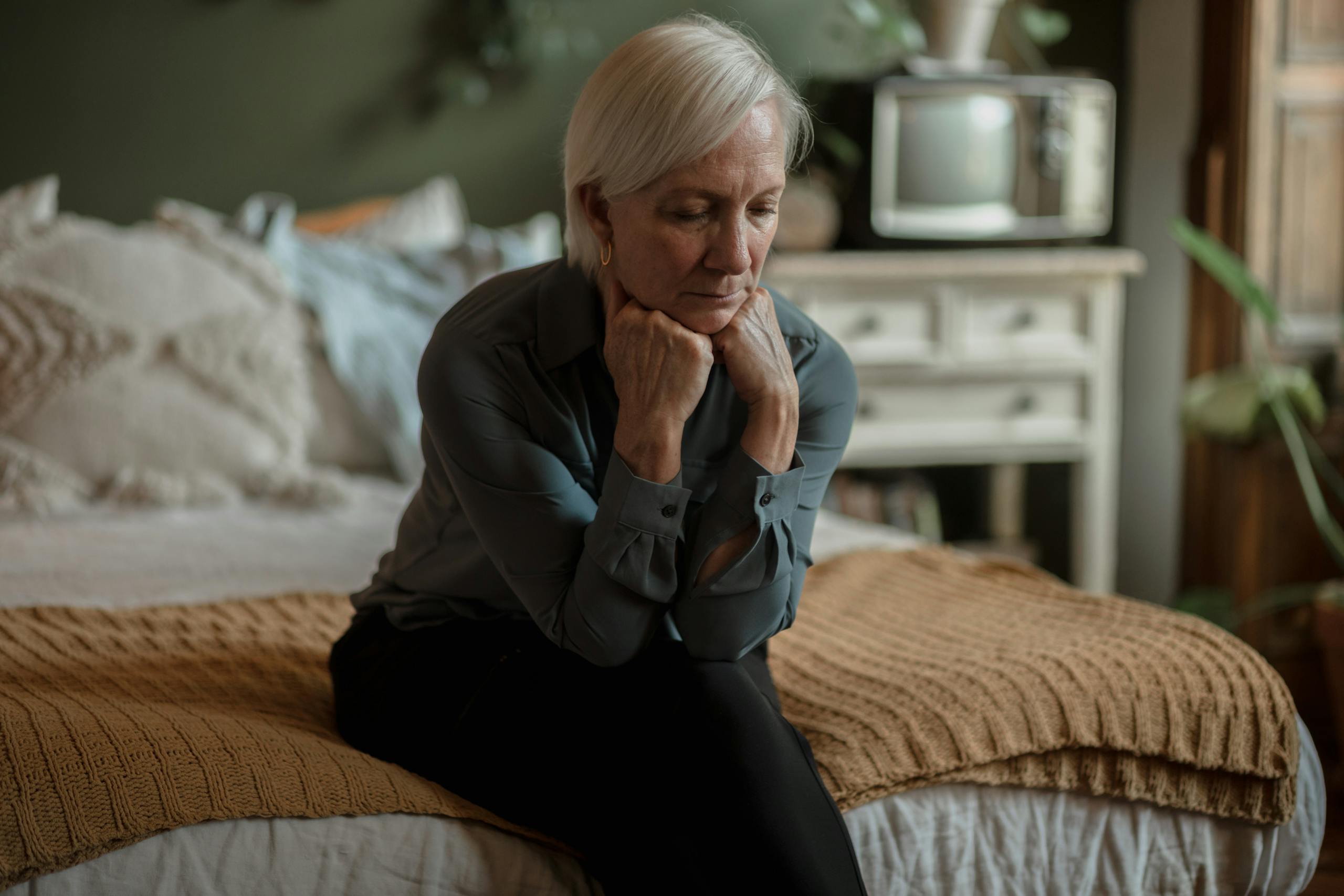
Loneliness isn’t just “feeling sad.” For seniors, it’s now being called the new smoking because of how damaging it is to physical and mental health. Research shows that seniors experiencing chronic loneliness have higher risks of heart disease, dementia, and even premature death. Families and doctors are starting to see that addressing loneliness is just as critical as managing medications or diet.
Why Loneliness Hits Seniors Hard
- Shrinking social circles: Retirement, loss of friends, and reduced mobility all mean fewer daily connections.
- Transportation challenges: No longer driving makes simple outings harder.
- Technology gaps: While the younger generation stays connected online, many seniors don’t.
- Health issues: Illness or limited mobility makes it tough to join community activities.

The Health Consequences
Loneliness isn’t just emotional—it shows up in medical charts:
- Increased dementia risk (social isolation raises risk by 50%)
- Weakened immune system (making seniors more vulnerable to infections)
- Depression and anxiety (often misdiagnosed as “normal aging”)
- Higher hospital readmissions (seniors with little support are more likely to end up back in the ER)
How Families Can Help Right Now
- Regular visits and calls: Even short, consistent check-ins make a huge difference.
- Encourage hobbies: Gardening, puzzles, or music can spark joy and routine.
- Set up technology: Tablets with simple apps like FaceTime or Zoom connect seniors to loved ones.
- Promote daily structure: A calendar with scheduled activities prevents long, lonely stretches.

Professional Help: Where Caregivers Step In
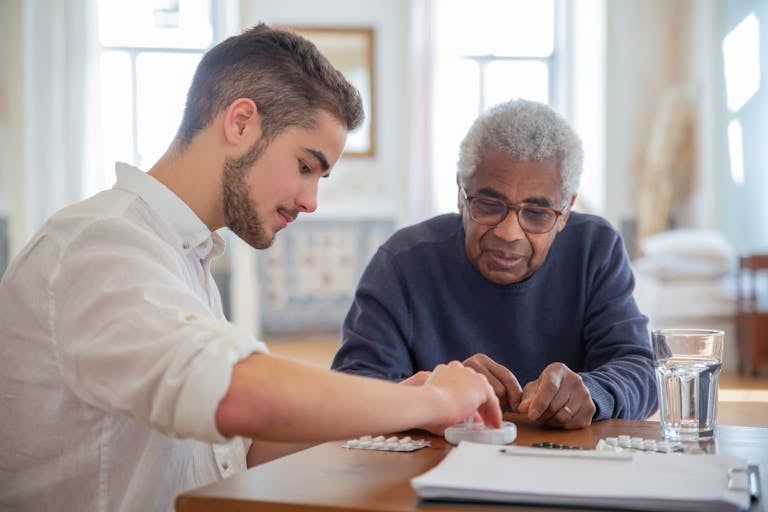
This is where professional caregiving becomes more than just “help with tasks.” Caregivers provide:
- Companionship: Someone to talk with, laugh with, and share daily moments.
- Transportation: Helping seniors safely get out into the community.
- Routine: A consistent presence that builds trust and reduces stress.
- Engagement: From playing cards to going for walks, caregivers keep seniors connected to life.
Community Resources in Bay County
Local programs can also help fill the gaps:
- Senior centers offering classes and lunches
- Church groups with outreach programs
- Volunteer visitors for isolated seniors

The Bottom Line
Loneliness is not just a sad part of aging—it’s a health crisis that families and communities must address. The good news? With intentional steps and the right support, no senior has to suffer alone.
At Bay County Caregivers, we believe companionship is just as important as physical care. If you’re worried about a parent or loved one feeling isolated, call us today. We’ll match them with a caregiver who can brighten their days, keep them active, and make sure they stay safe and connected.